Overview
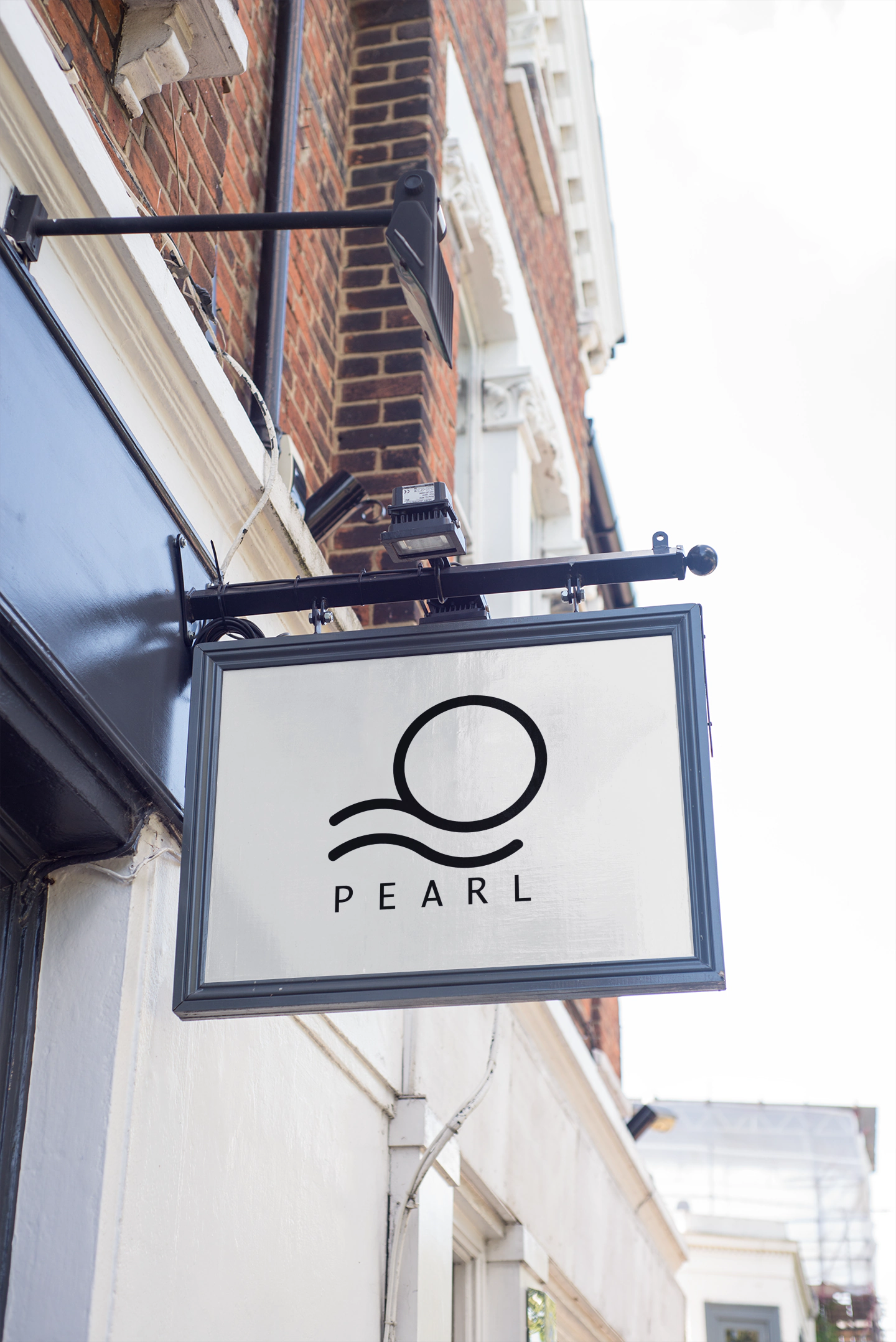
Pearl — an eco-friendly cosmetics brand born from shells.
Identify a problem and create engaging solutions based on the design process. Conduct research, investigate various relevant audiences and stakeholders, and integrate visual elements in a variety of media that work together as a cohesive design system.
Over the last few decades, surplus human activities have severely affected marine life. Every year, some 6 to 8 million tons of crab, shrimp, and lobster shell waste are produced globally — and because fish waste may be tossed back into the ocean, shell waste is often just dumped in landfills or at sea. Yet crustacean shells are 20–40% protein, 20–50% calcium carbonate, and 15–40% chitin; chitosan, a fiber-like substance derived from chitin, is a legitimate ingredient in many cosmetics for skin care, deodorant, and hair care. Turning cast-off shells into nitrogen-rich chemicals would benefit economies and the environment. Pearl is the eco-friendly cosmetic brand I created to promote this recyclable idea.
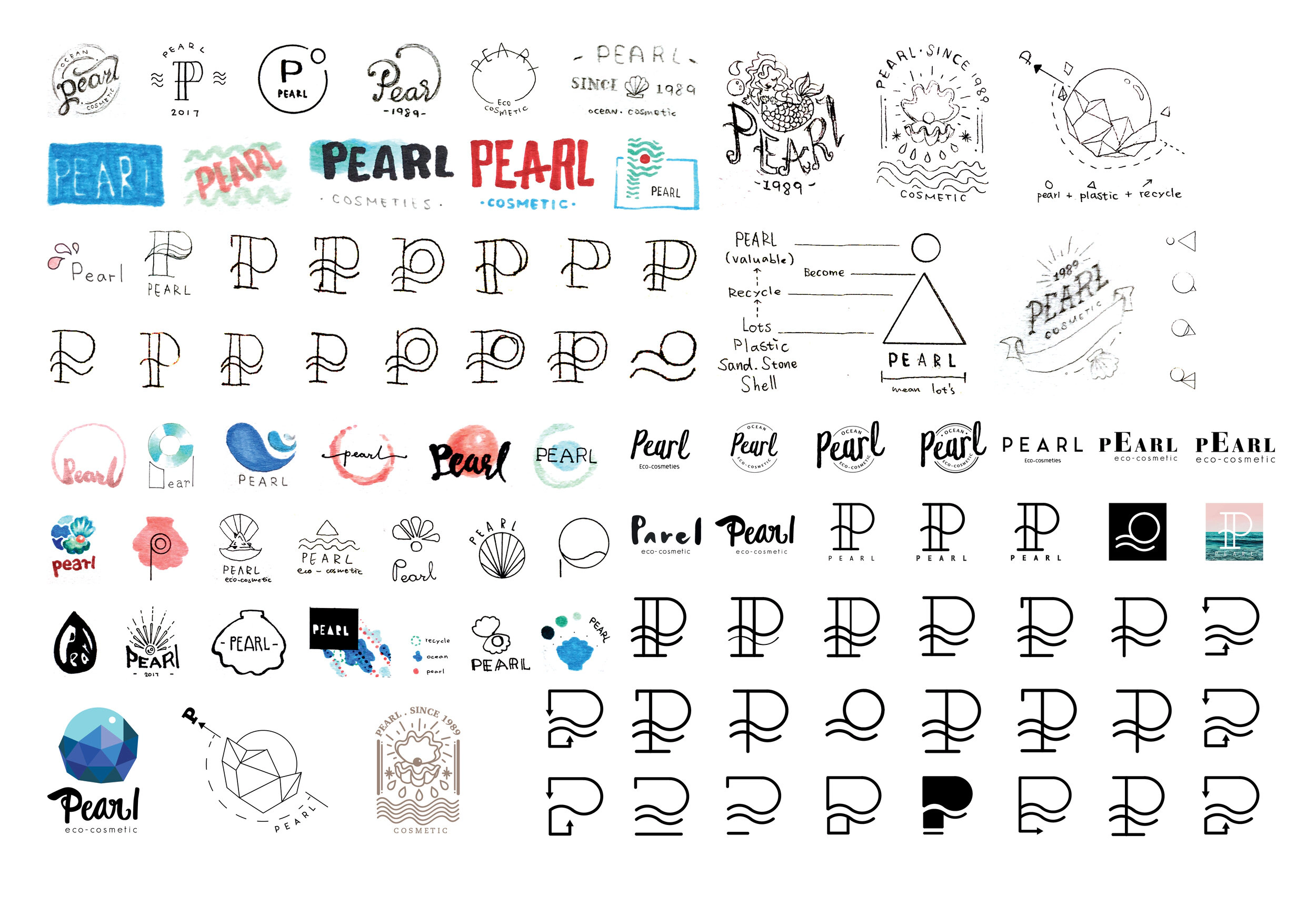
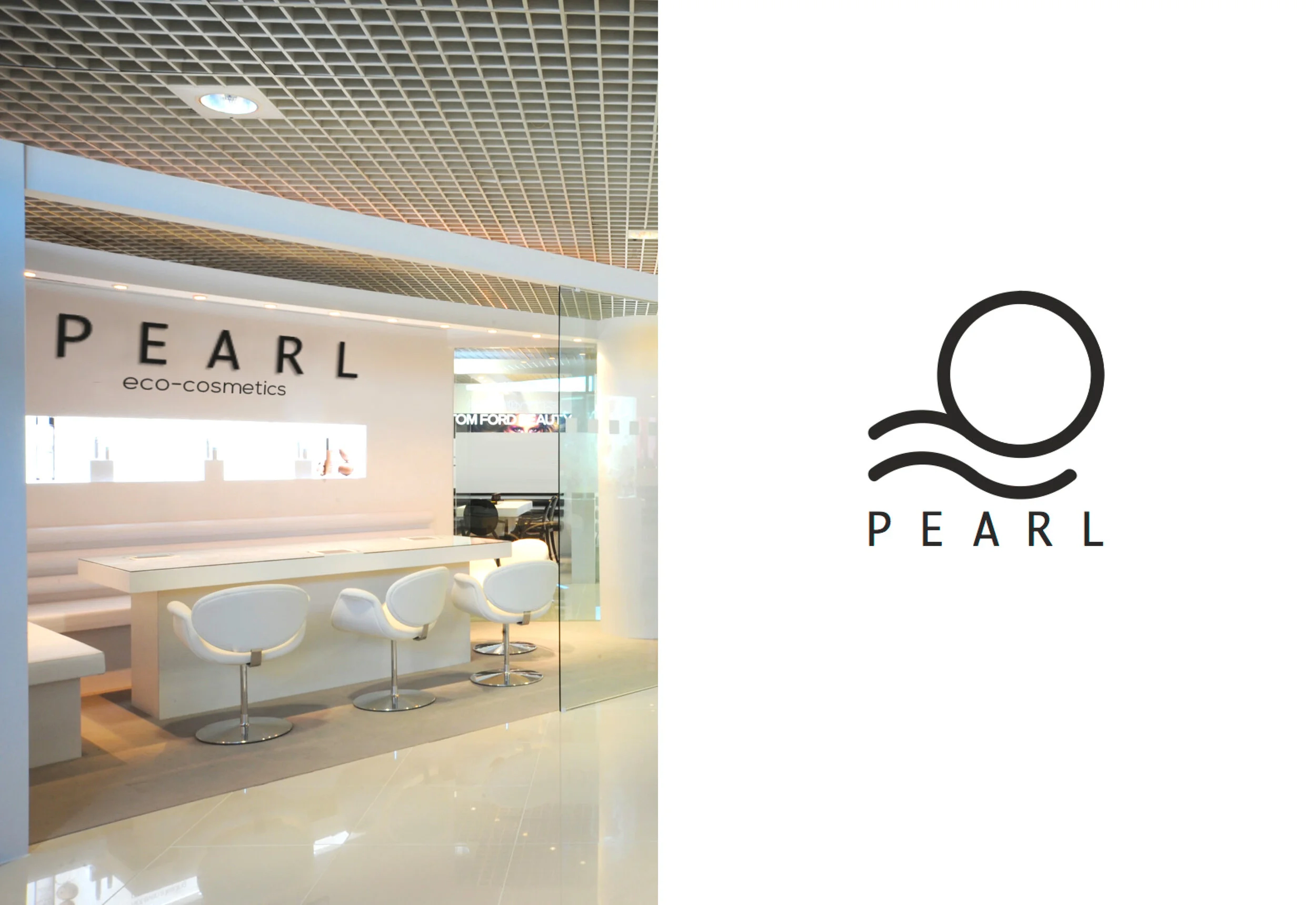
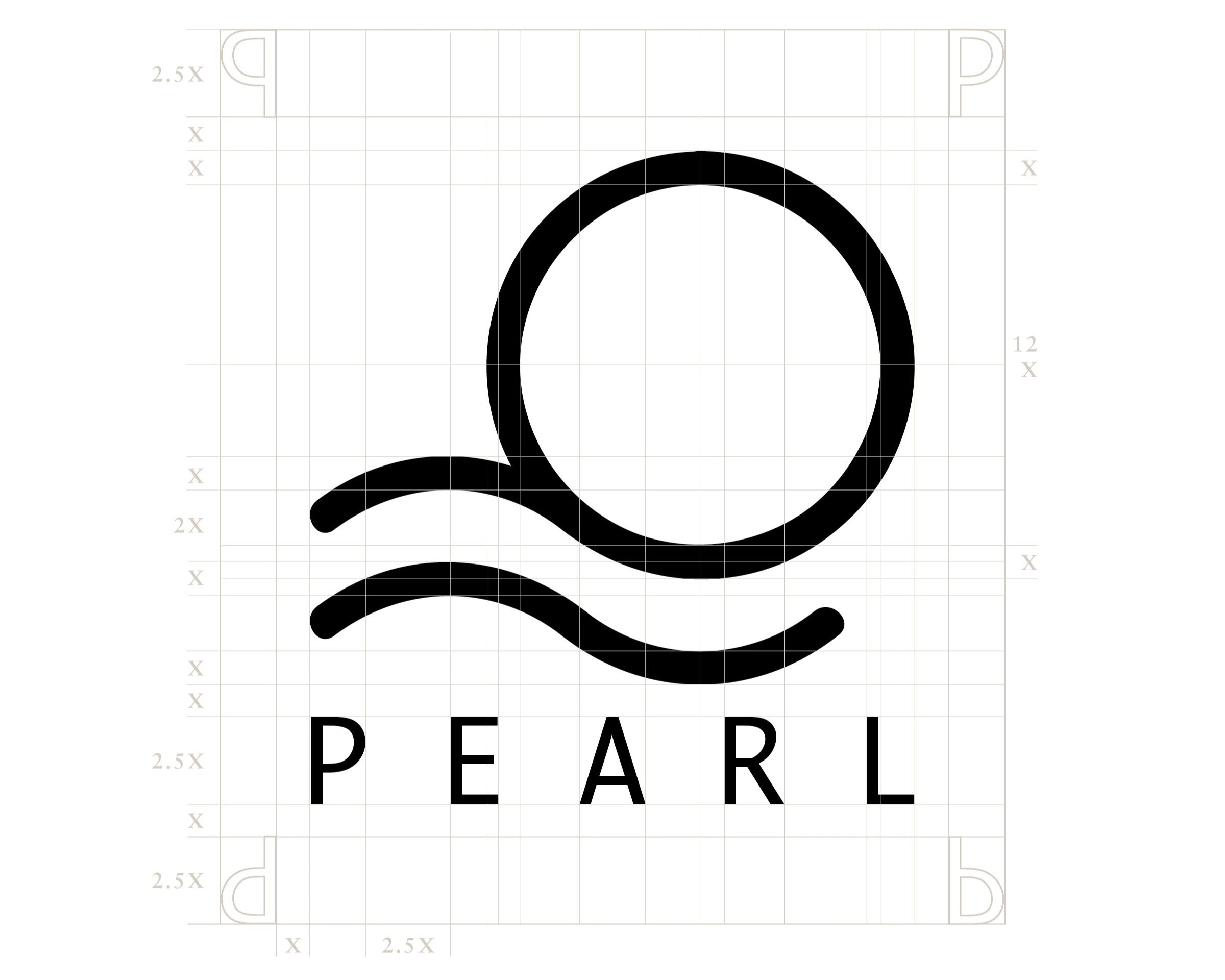
Logo
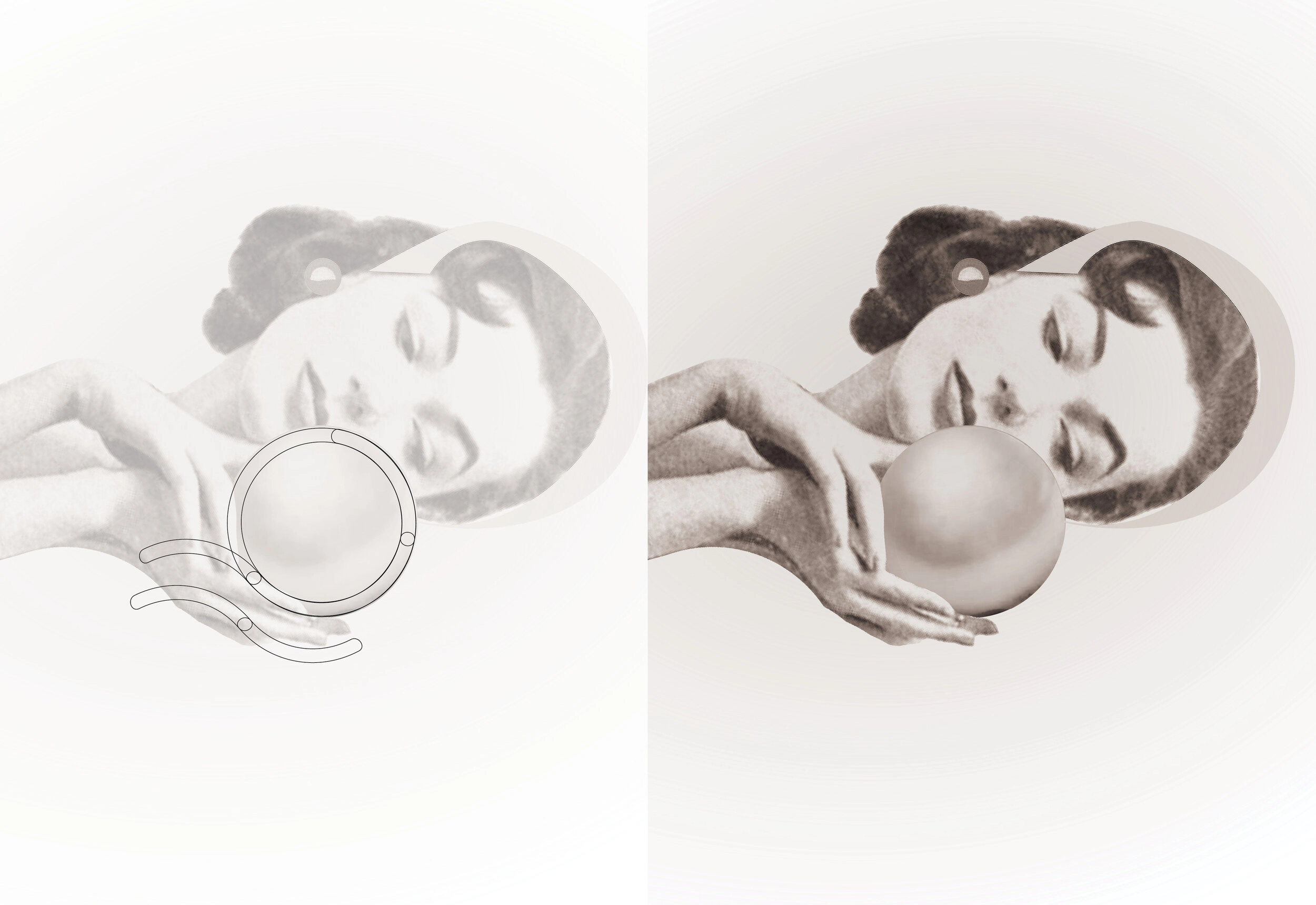
The pearl itself is the metaphor.
Pearls are formed inside the shell of certain mollusks as a defense mechanism against a potentially threatening irritant such as sand — the mollusk creates a pearl sac to seal off the irritation. This process mirrors the brand’s concept: turning ocean waste into valuable products.
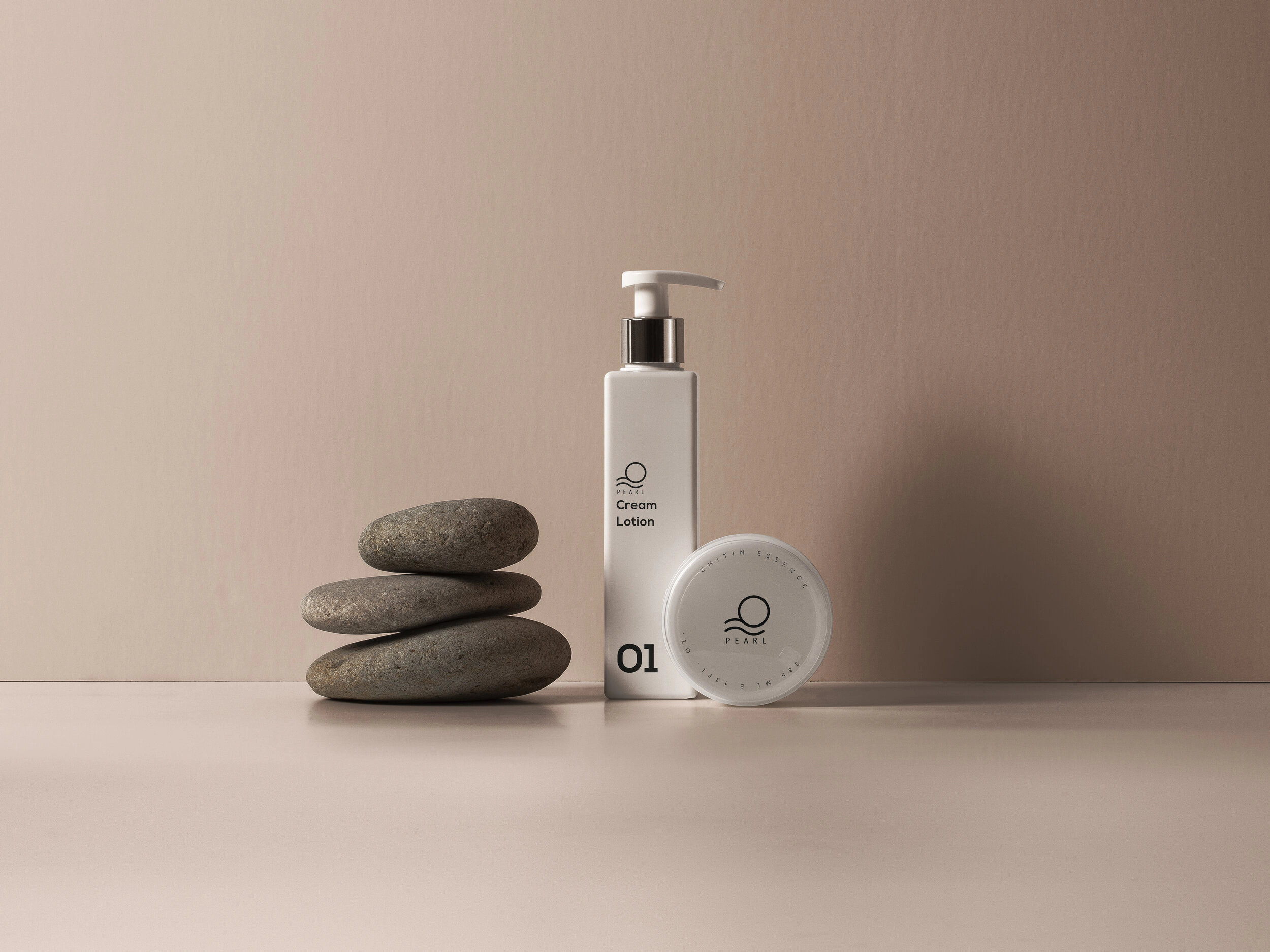
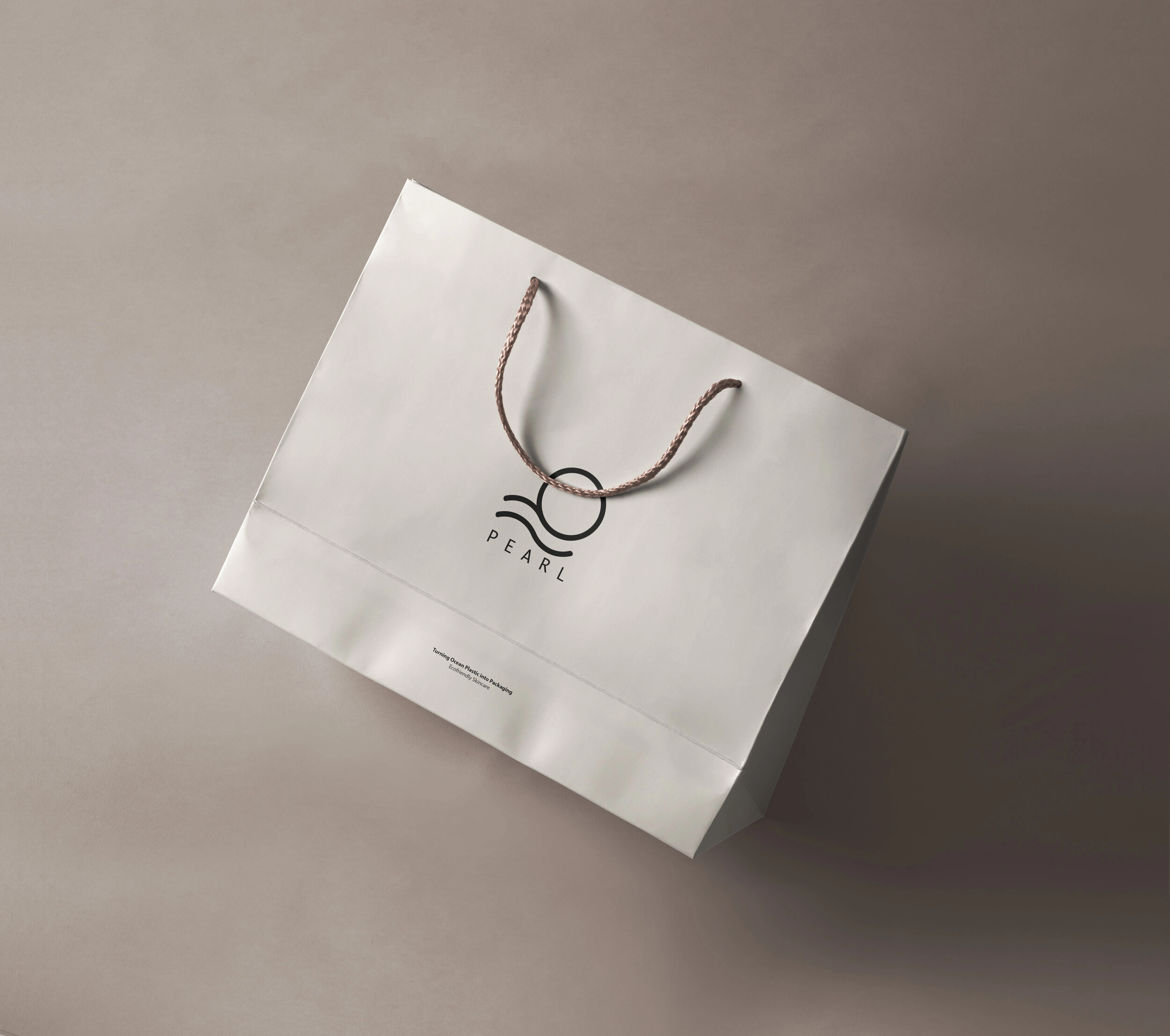
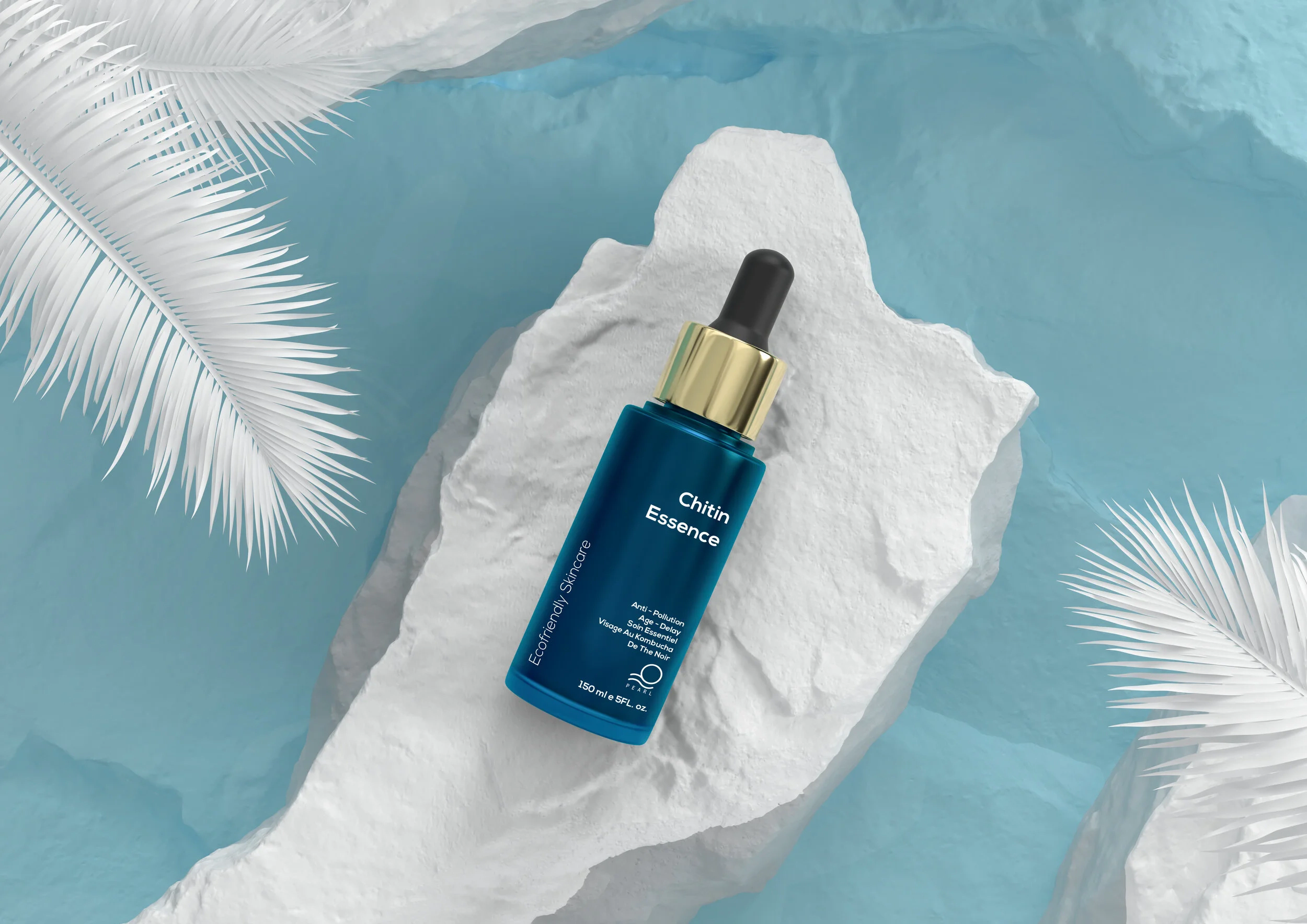
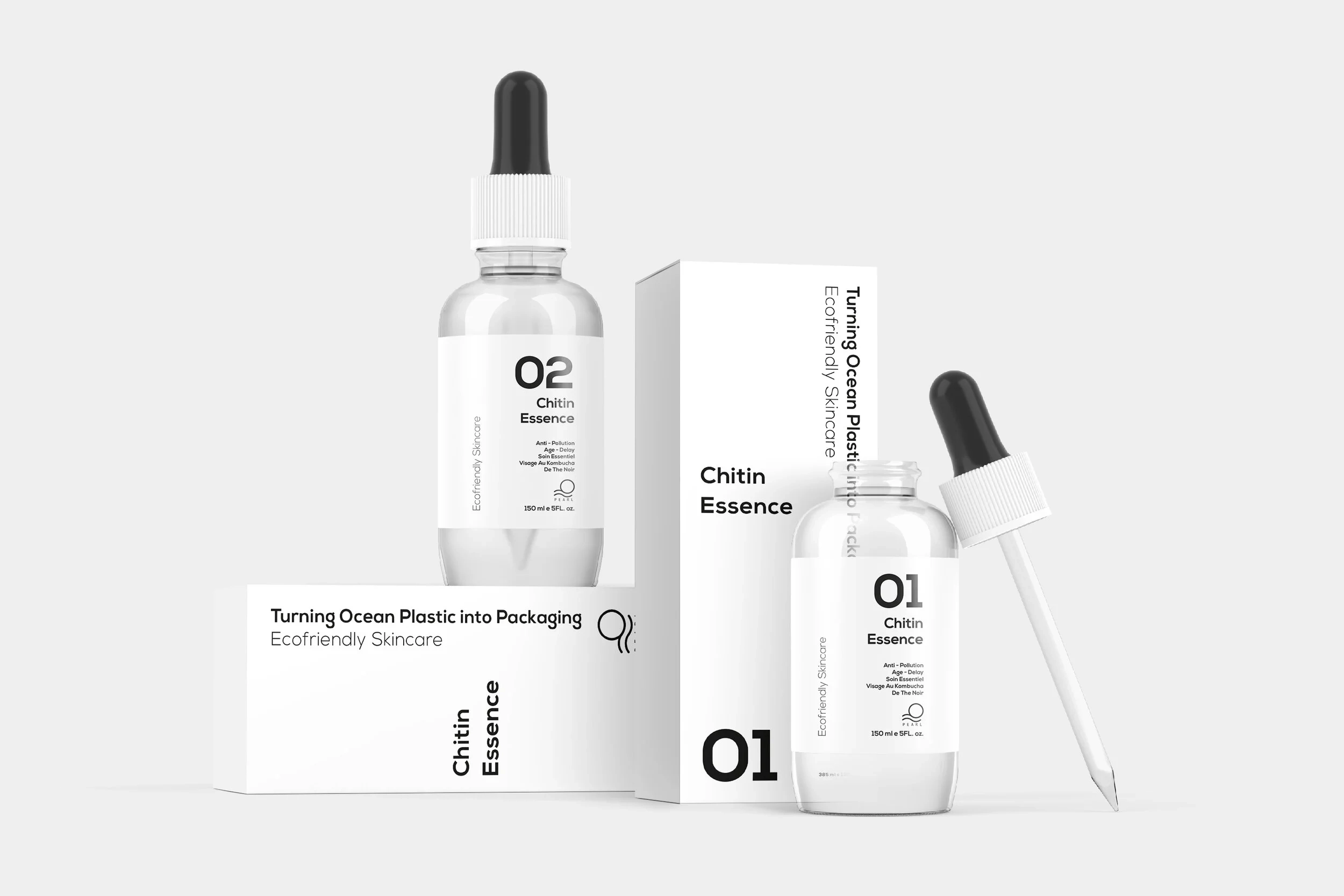
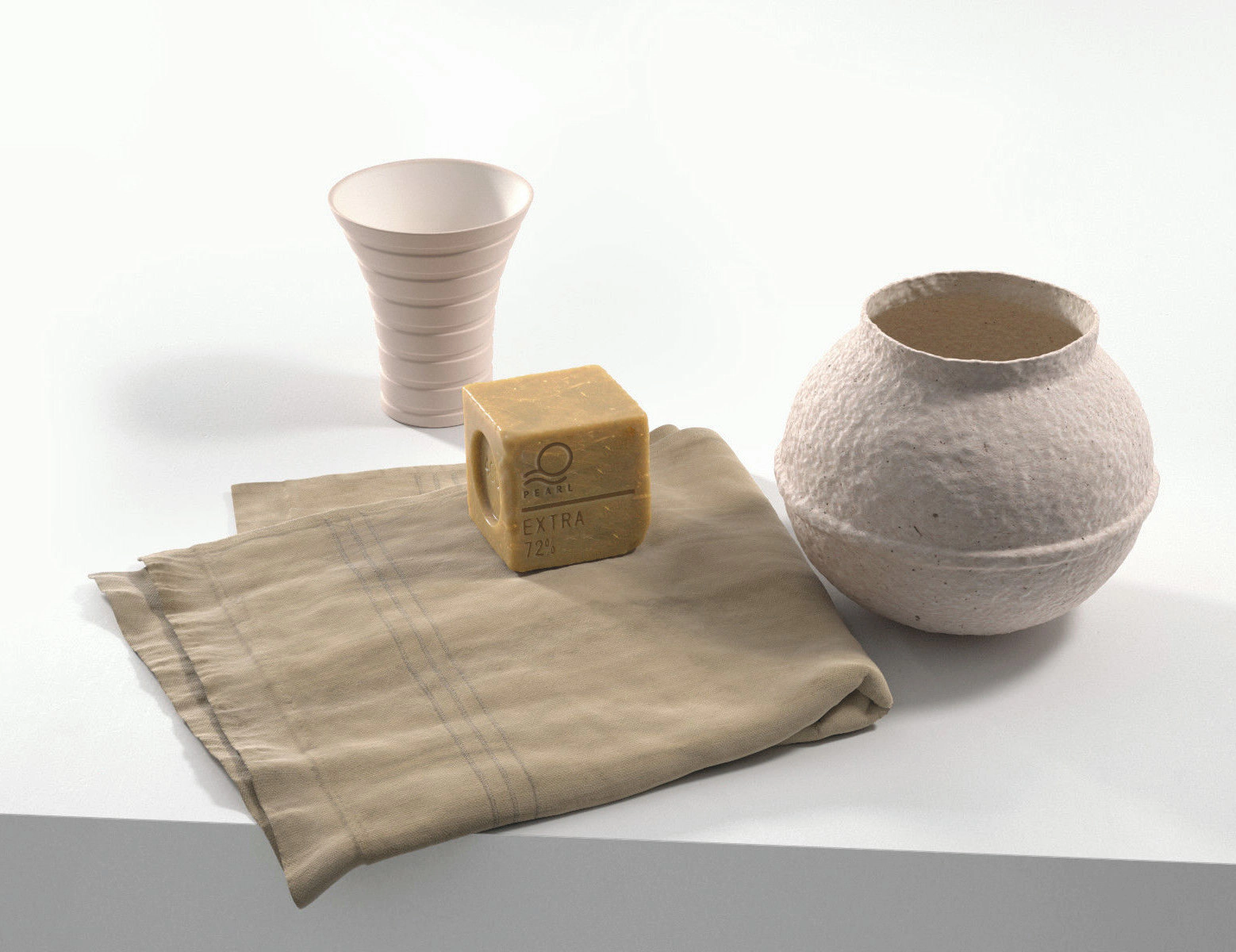
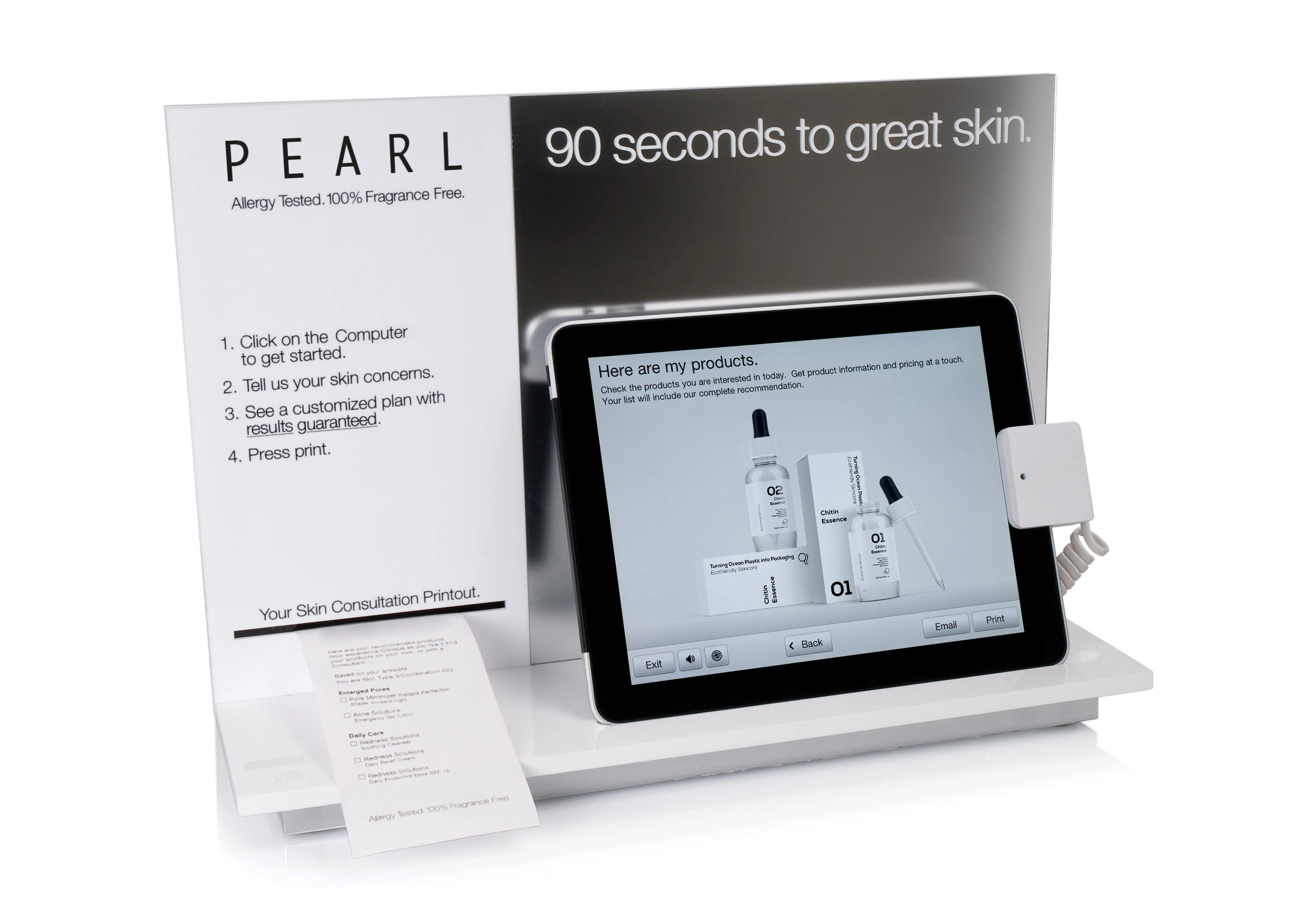
Packaging
A packaging system, bottle to bag.